The Best Cities in the World, Ranked by You
All 32 cities here, ranked by 87 players. New York City leads: it wins 72% of its matchups (n = 218) and was champion in 15 of 87 brackets. Disagree? Your first pick is right here. No sign-up.
Size
SeoulSouth Korea
SydneyAustralia
Tap a poster to make your pick. Crowd numbers appear after you choose.
Best Cities to Live In: the community’s best
Win rate across 2,377 head-to-head picks from 87 finished brackets. n is the number of matchups behind each win rate; only entrants with 30 or more are listed.
| # | City | W–L | Win rate | vs .500 | Titles | n |
|---|---|---|---|---|---|---|
| 1 | 157–61 | 72% | 15 | 218 | ||
| 2 | 143–67 | 68.1% | 9 | 210 | ||
| 3 | 129–75 | 63.2% | 6 | 204 | ||
| 4 | 119–72 | 62.3% | 4 | 191 | ||
| 5 | 111–68 | 62% | 5 | 179 | ||
| 6 | 101–70 | 59.1% | 3 | 171 | ||
| 7 | 90–68 | 57% | 4 | 158 | ||
| 8 | 99–76 | 56.6% | 3 | 175 |
Best Cities to Live In: the community tier list
From 2,377 head-to-head picks in 87 finished brackets. Placed by win rate, steadied toward 50% for entrants with few matchups: S is 75% or more, A 60%, B 50%, C 40%, D 25%.
Stier, win rate 75% or more
- Nobody yet
Atier, win rate 60% or more
- New York City

- Tokyo

- Paris

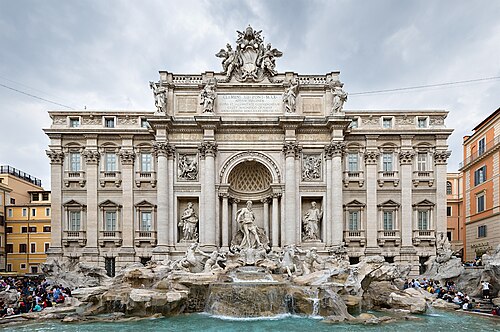
- Rome
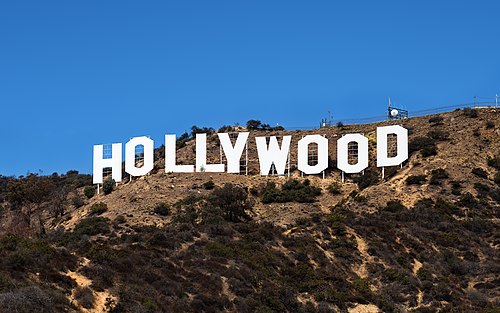
- Los Angeles
Btier, win rate 50% or more
- London

- Prague

- Copenhagen

- Barcelona

- Chicago

- San Francisco

- Sydney

- Dubai

- + 3 more
Ctier, win rate 40% or more
- Singapore

- Seoul

- Melbourne

- Vienna

- Nashville

- Toronto

- Bangkok

- Hong Kong

- + 1 more
Dtier, win rate 25% or more
- Denver

- Austin

- Portland

- Istanbul

- Cape Town

- Mexico City

- Mumbai

Ftier, win rate 0% or more
- Nobody yet
How the Best Cities to Live In bracket works
This city ranking is played, not dragged into rows. You get one matchup at a time — New York City or London? Tokyo or Paris? — and after 15 picks the bracket has a champion, with everything else placed by how far it got. The awkward pairings are the point: they are the calls a drag-and-drop tier list quietly lets you avoid.
This bracket runs 4 rounds at the default 16-slot size (Round of 16, Quarterfinals, Semifinals, Final), drawn from a pool of 32 options. Entrants are drawn by a seed that changes daily, and New draw picks a fresh one, so an early upset in one run may never happen in the next. You can also play it at 8 or 32 slots for a shorter or longer run.
15 picks, 4 rounds
- Round of 168 matchups
- Quarterfinals4 matchups
- Semifinals2 matchups
- Final1 matchup
Roughly 1-2 minutes start to finish at the default size.
All 32 entrants
All 32 entrants are listed below, including New York City, London, Tokyo and Paris. Updated
- New York CityUSAPhoto: Dllu / Wikimedia Commons · CC BY-SA 4.0
- LondonUnited KingdomPhoto: Ilya Grigorik / Wikimedia Commons · CC BY-SA 3.0
- TokyoJapanPhoto: Morio / Wikimedia Commons · CC BY-SA 3.0
- ParisFrancePhoto: Yann Caradec / Wikimedia Commons · CC BY-SA 2.0
- Los AngelesUSAPhoto: Thomas Wolf, www.foto-tw.de / Wikimedia Commons · CC BY-SA 3.0
- BarcelonaSpainPhoto: dronepicr / Wikimedia Commons · CC BY 2.0
- AmsterdamNetherlandsPhoto: Andrés Barrios / Wikimedia Commons · CC BY-SA 4.0
- SydneyAustraliaPhoto: Benh LIEU SONG ( Flickr ) / Wikimedia Commons · CC BY-SA 4.0
- RomeItalyPhoto: Diliff / Wikimedia Commons · CC BY 3.0
- BerlinGermanyPhoto: Fernando Pascullo / Wikimedia Commons · CC BY-SA 4.0
- San FranciscoUSAPhoto: Spicypepper999 / Wikimedia Commons · CC0
- SingaporeSingaporePhoto: Benh LIEU SONG ( Flickr ) / Wikimedia Commons · CC BY-SA 4.0
- DubaiUAEPhoto: Francisco Anzola / Wikipedia · CC BY 2.0
- TorontoCanadaPhoto: Dillan Payne / Wikimedia Commons · CC BY-SA 4.0
- SeoulSouth KoreaPhoto: Eunmi Park / Wikimedia Commons · CC BY-SA 4.0
- ChicagoUSAPhoto: John Picken; derivative work: Georgfotoart / Wikimedia Commons · CC BY 2.0
- Mexico CityMexicoPhoto: Gobierno CDMX / Wikimedia Commons · CC0
- BangkokThailandPhoto: Kriengsak Jirasirirojanakorn / Wikimedia Commons · CC BY-SA 4.0
- LisbonPortugalPhoto: Vitor Oliveira / Wikimedia Commons · CC BY-SA 2.0
- PragueCzech RepublicPhoto: Moyan Brenn / Wikimedia Commons · CC BY 2.0
- CopenhagenDenmarkPhoto: Moahim / Wikimedia Commons · CC BY-SA 4.0
- MelbourneAustraliaPhoto: Melbpal / Wikimedia Commons · CC BY-SA 4.0
- Buenos AiresArgentinaPhoto: Deensel / Wikimedia Commons · CC BY 2.0
- AustinUSAPhoto: Hensbread / Wikimedia Commons · CC BY 4.0
- NashvilleUSAPhoto: Quintin Soloviev / Wikimedia Commons · CC BY 4.0
- DenverUSAPhoto: Spicypepper999 / Wikimedia Commons · CC0
- ViennaAustriaPhoto: Superbass / Wikimedia Commons · CC BY-SA 3.0
- Hong KongChinaPhoto: Benh LIEU SONG ( Flickr ) / Wikimedia Commons · CC BY-SA 4.0
- IstanbulTurkeyPhoto: Hunanuk / Wikimedia Commons · CC0
- Cape TownSouth AfricaPhoto: Der Berzerker / Wikimedia Commons · CC BY-SA 2.0
- PortlandUSAPhoto: Spicypepper999 / Wikimedia Commons · CC0
- MumbaiIndiaPhoto: আজিজ / Wikimedia Commons · CC BY-SA 4.0
Tier list instead?
Load all 32 into the tier list maker and sort them into S through F yourself: same entrants, no matchups.
Open the tier list makerMissing something?
Build your own city bracket with exactly the entrants you want, then share the link.
Open the bracket makerGetting a ranking you actually agree with
- Trust the first instinct. Overthinking a matchup usually produces a ranking you do not agree with later.
- Start at 16 slots. If the result feels too obvious, replay at 32 so more of the 32 options make the field.
- Watch for the option you keep beating reluctantly. That is usually the sign you should undo and reconsider the pick before it.
Questions people ask
What is the best city?
According to 87 BracketRanker players, New York City (USA). It wins 72% of its head-to-head matchups (n = 218) and was champion in 15 of 87 brackets (17.2%).
How many options are in the Best Cities to Live In bracket?
The pool holds 32 options. A default run uses 16 of them and takes 15 picks across 4 rounds: Round of 16, Quarterfinals, Semifinals, Final. Other field sizes are available too — 8, 16, 32 slots.
Which options are included?
New York City, London, Tokyo, Paris, Los Angeles, Barcelona, Amsterdam, Sydney, Rome, Berlin, San Francisco and Singapore, plus 20 more. Every entrant is listed further down this page with its artwork.
How long does the Best Cities to Live In bracket take?
About 1-2 minutes — 15 choices at the default size, or 7 if you drop to an 8-slot bracket. No account is needed, and a run saves after every pick, so you can stop and jump back in later.
Can I turn the result into S/A/B tiers?
Both are here, and the bracket is closer to a tier list than it looks. It ends with a champion, a runner-up and then every other option grouped by the round it went out in — which is exactly a set of tiers, decided by 15 direct comparisons rather than by your first guess at a layout. What it deliberately does not do is claim a precise gap between two options that never met. If you would rather place the options into S through F rows yourself, the tier list maker loads all 32 of them at bracketranker.com/tier-list-maker.
Can I compare my order with other people's?
Every completed bracket feeds the Best Cities to Live In community results page, which aggregates win rates across all plays and tracks how often each of the 32 entrants takes the title. It updates continuously, so it moves as more people play.
What if a option I wanted is missing?
Use the bracket maker: add your own options, name it, and share the link so other people play the same field. That is the route to take when this pool of 32 is missing something you would have picked, or when you want a version scoped to one era, label or franchise.